

By Charis Raji
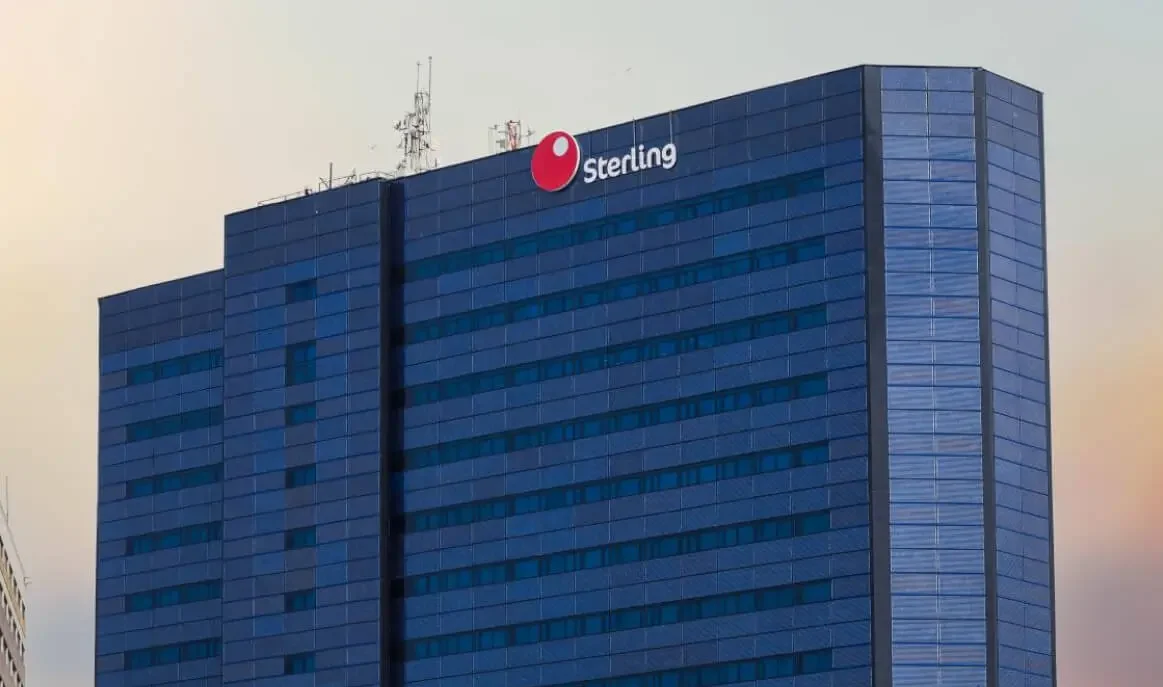
In the heart of Ikoyi, Lagos, a district known for luxury high-rises and business enclaves, sits an office building that quietly defies the norm. The Sterling Bank Headquarters, completed in 2021, is not just a home for banking operations; it’s a bold statement in favour of sustainability, energy independence, and corporate responsibility.
While many Nigerian commercial buildings still rely heavily on diesel generators and energy-intensive systems, Sterling Bank’s HQ stands apart: powered largely by solar energy, designed for efficiency, and reflective of a new way of building in Africa’s urban centers.
The 17-storey building uses Integrated Photovoltaic (BIPV) technology that turns the building into a 955 kWp solar powerhouse, blending practicality with architectural beauty. The panels are estimated to deliver about 10,500 megawatt-hours for 25 years and will generate an average of 420,000 kWh of clean energy annually, reduce over 7,000mt of carbon emissions, and also cut down the use of 1 million litres of dirty fuel diesel.
A Building That Works With Its Climate
Sterling Towers is a high-rise office complex built around passive design principles.
Sterling Towers acts as a giant battery, which stores 2.18 MWh of electricity, with over 3000 BIPV glass modules generating circa 1 million watts of clean energy. This ensures illumination long after the sun sets, making it a beacon of energy resilience, even after dark.
Natural ventilation is a key feature. The building’s orientation and window systems reduce heat gain and allow for daylighting throughout workspaces, minimizing the need for artificial lighting during the day. By combining performance glazing with sun-shading devices, the building maintains a comfortable internal temperature without over-reliance on HVAC systems.
100% Solar-Powered During the Day
One of the building’s most strategic features is its ability to operate entirely off-grid during daylight hours. In a city where power outages are frequent and diesel is both expensive and polluting, this is more than a green perk, it’s operational resilience.
Sterling Bank’s HQ relies on a rooftop BIPV system that powers the building’s core functions, including lighting, workstations, HVAC, and security systems, all without tapping into the national grid. During the day, the building runs 100% on solar power. Excess energy is stored in a 2.18 MWh battery system that keeps the system running after sunset.
This resilience not only slashes operating costs but also insulates the bank from the volatility of Nigeria’s energy market. It’s a forward-looking infrastructure decision that reduces risk while reinforcing brand leadership in sustainability.
Water and Material Efficiency
Sustainability goes beyond just energy. The HQ also features water-saving plumbing systems and rainwater harvesting infrastructure. These allow the building to minimize reliance on municipal water and ensure supply for landscaping and non-potable uses.
In terms of materials, low-VOC paints and regionally sourced finishes reduce both embodied carbon and the health risks associated with indoor air pollutants. This commitment to indoor environmental quality enhances employee wellness, which is fast becoming a metric of productivity and performance in office design.
Why Sterling Bank Built Green
The shift toward a sustainable HQ wasn’t just a design choice—it was a strategic one. Sterling Bank, known for its emphasis on innovation and ethical banking, has long been positioning itself as a future-facing financial institution. Sustainability fits squarely within this brand ethos.
1. ESG and Corporate Positioning
As ESG (Environmental, Social, and Governance) metrics become more relevant to investors and customers, Sterling Bank is proactively aligning its infrastructure with global best practices. The building is a physical embodiment of its values: responsible growth, long-term thinking, and stakeholder care.
2. Rising Operational Costs
In Lagos, where electricity is unreliable and diesel prices are volatile, a self-sufficient building makes financial sense. The long-term savings from solar power, energy efficiency, and water reuse are significant. Rather than chase short-term gains, Sterling Bank opted for a solution that would pay for itself over time.
3. Leadership by Example
By investing in a sustainable building, Sterling is sending a signal to its peers and the broader business community that Nigeria is ready for green infrastructure. It proves that sustainable commercial design is possible, even in high-density urban areas with infrastructure challenges.
Impact and Recognition
Though not yet LEED-certified, the building is often referenced in industry circles as a prime example of green commercial design in West Africa. Internally, the bank reports improved employee satisfaction due to better indoor air quality, lighting, and workplace environment.
There’s also growing anecdotal evidence that the building has inspired similar initiatives among financial institutions and corporate developers, especially those looking to future-proof their investments in a volatile economic climate.
Lessons for Developers and Architects
The Sterling Bank HQ offers a powerful case study for what’s possible when design, operations, and business strategy are aligned:
a. Sustainability is not a luxury; it’s a long-term asset.
b. Passive design and renewable energy are not just “nice-to-haves” in Nigeria—they’re necessary.
c. Green buildings can reflect a brand’s identity as strongly as logos or slogans.
Architecture as Strategy
Sterling Bank’s headquarters is more than an office building. It’s a statement about the future of urban Nigeria, where buildings respond to the climate, support the environment, and serve the people who use them.
At a time when many Nigerian institutions still treat sustainability as an afterthought, Sterling Bank has quietly placed it at the center of its physical footprint. The result is a building that doesn’t just meet today’s needs—it sets the standard for tomorrow.