

A New Era of Prestige
By Ameh Destiny

Luxury living in Nigeria is not just about real estate—it’s about identity, aspiration, and belonging to a world of refined comfort. From Lagos to Abuja, exclusive neighborhoods have become symbols of success where architecture meets lifestyle and sophistication thrives. Each address tells a story: of wealth, ambition, and the unyielding pursuit of excellence.
Luxury living is not just about the geographical location where it is situated but its prestigious identity and the essence it projects; it intricately blends not just the luxury but also takes into consideration it’s functionality and comfortability.
As the country’s economy grows and global networks expand, Nigerian elites are investing in homes that rival the world’s most celebrated districts. Welcome to the places where luxury is not only lived but displayed.
Banana Island: Africa’s Beverly Hills

No conversation about luxury living is complete without Banana Island—the 1.63-million-square-meter man-made paradise off Ikoyi. Often dubbed “the Beverly Hills of Lagos,” it is the ultimate address for billionaires, celebrities, and high-profile executives.
Plots range from 1,000-4,000 sqm with exclusive features. Detached 6-bedroom homes can command between ₦1.5-3 billion+, while luxury terraces and maisonettes typically sell for ₦600-900 million. Premium apartments are valued around ₦800 million- ₦1.2 billion, and prime land sells for about ₦3-3.6 billion per 1,000-1,200 sqm.
“Banana island has become a benchmark in Lagos luxury,” notes Chudi Ubosi, estate surveyor and valuer. “What drives the value of the island is that it is the best maintained estate in Nigeria.”
But beyond figures, Banana Island is designed with world-class infrastructure: underground power lines, central sewage and water systems, and 24/7 security. The community also hosts tennis courts, private jetties, and some of the finest private schools in Lagos. It is not simply a neighborhood—it is a lifestyle enclave where privacy and prestige blend seamlessly.
Ikoyi: Old Money Meets New Prestige


Ikoyi has long stood as Lagos’s symbol of affluence. Before Banana Island’s rise, Ikoyi was the definitive hub for Nigeria’s elite, and it still holds timeless charm. Its leafy boulevards and colonial-era mansions now sit beside modern luxury high-rises, making it a rare fusion of old money and new wealth.
Ikoyi commands some of the highest real estate prices in Africa. Prime 4–5-bedroom apartments cost between ₦480 million-₦1.2 billion, while mansions in prime spots like Gerrard Road, Queens Drive, or Parkview Estate can fetch ₦1.5–₦5.6 billion. Rental prices are equally steep, with luxury apartments attracting ₦15–25 million annually.
Residents of Ikoyi enjoy more than homes—they access proximity to top embassies, corporate offices, boutique hotels, and exclusive clubs such as Ikoyi Club 1938 and Polo Club. For many, Ikoyi is not just about address—it’s about heritage and influence.
“Many real estate experts believe that properties in Ikoyi rarely lose value, even amidst economic fluctuations.”
Victoria Island: Where Business Meets Pleasure


Victoria Island (VI) sits at the center of Lagos’s commercial and social life. It is home to multinational headquarters, luxury hotels, fine dining restaurants, and some of the city’s most vibrant nightlife spots.
VI’s residential scene is equally competitive. Upscale apartments, townhouses, and penthouses average between ₦200–800 million. Beachfront villas and exclusive estates command far higher, often touching ₦1 billion and above. Rentals for top-tier apartments fall between ₦8–20 million annually, attracting expatriates and Nigerian professionals who want proximity to both work and leisure.
“Victoria island remains one of the most sought-after neighborhoods in Lagos, due to its mix of accessibility, amenities, and corporate presence,” market analysts often note.
But what sets VI apart is its balance: professionals can close deals at Eko Hotel during the day, dine at NOK or RSVP at night, and return to luxurious sea-view apartments within minutes.
Eko Atlantic: The City Rising from the Sea


Few projects capture Nigeria’s vision for the future like Eko Atlantic City. Built on reclaimed land from the Atlantic Ocean, this ambitious smart city is being designed to rival Dubai and Monaco as a global destination for finance and lifestyle.
Properties in Eko Atlantic are still developing, but luxury apartments range from ₦1.8-₦4.8 billion, with penthouses and bespoke villas reaching beyond ₦8-₦12 billion. Corporations are also investing heavily, ensuring a mix of business and residential hubs.
“Residential apartments in Eko Atlantic are now among the most expensive per square metre in Lagos, given their built-in flood protections, high-end amenities and proximity to the financial district,” says a market analyst with The AfricanVestor”
Beyond the homes, Eko Atlantic promises self-sufficiency—independent power generation, modern road networks, and flood defenses. For Nigeria’s wealthy and international investors, buying here is more than real estate; it’s a statement about being part of the future.
Lekki Phase 1 & Beyond: The Expanding Frontier

While Banana Island and Ikoyi cater to established wealth, Lekki Phase 1 has become the destination for upwardly mobile professionals and entrepreneurs who desire luxury but with a modern, youthful twist.
Here, stylish terraces, duplexes, and mini-estates dominate the skyline. Homes typically range between ₦400–₦900 million, while premium waterfront properties fetch upwards of ₦1.5–₦2.5 billion. Rentals vary from ₦10–20 million annually, making Lekki attractive to both investors and young families.
Beyond Phase 1, areas like Chevron Drive, Ikate, and Lekki Phase 2 continue to rise in value. The Lekki-Epe axis is projected to become Lagos’s next luxury hub with projects like the Dangote Refinery, Lekki Free Trade Zone, and the new international airport in the works.
Abuja’s Maitama & Asokoro: Power and Prestige
Luxury in Nigeria isn’t confined to Lagos. Abuja, the nation’s capital, offers equally prestigious enclaves for the wealthy and politically connected. Maitama and Asokoro stand out as the city’s crown jewels.
Maitama, known for its serene atmosphere and lush greenery, houses diplomats, CEOs, and top politicians. Villas here sell between ₦1.4 billion and ₦5 billion, while rentals often cost ₦10–30 million annually.
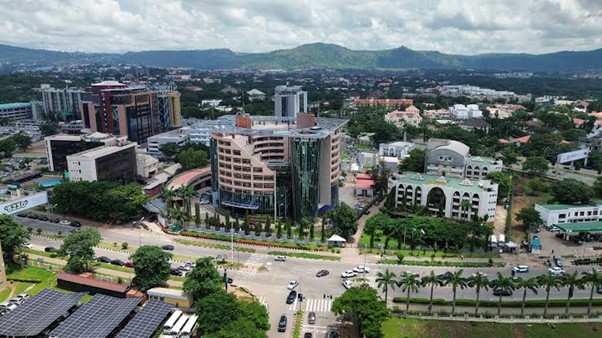
Asokoro, on the other hand, is the seat of power. Many government lodges and ministerial residences are located here, driving property values sky-high. Luxury homes typically range between ₦1.5 billion–₦3.9 billion, with gated mini-estates being a common feature.

For those in government or international organizations, owning in Maitama or Asokoro is not just convenient—it’s essential.
Lifestyle Beyond Brick and Mortar
What ties all these neighborhoods together is not only their architecture but also their lifestyle offerings. Luxury malls, private clubs, five-star restaurants, and exclusive schools form the ecosystem that supports these communities. Living in these enclaves means access—not just to beautiful homes but to the networks, opportunities, and privileges that define Nigeria’s upper class.
Whether it is a family yacht moored at Banana Island’s private jetty, a corporate executive sipping champagne in Ikoyi, or a diplomat entertaining guests in Maitama, luxury living in Nigeria is a performance—a way of signaling arrival on both national and global stages.
Conclusion: The Symbol of a Rising Nation
Nigeria’s luxury neighborhoods are more than homes; they are symbols of the country’s evolution. From Banana Island’s ultra-modern villas to Maitama’s political mansions, each community tells the story of ambition and progress.
As more Nigerians rise to global prominence, the demand for homes that match their status will continue to grow. For the discerning, luxury living here is not just about today—it is about securing a legacy.